Government to phase out state accommodation for Ukrainian refugees
By Bairbre Holmes, Press Association
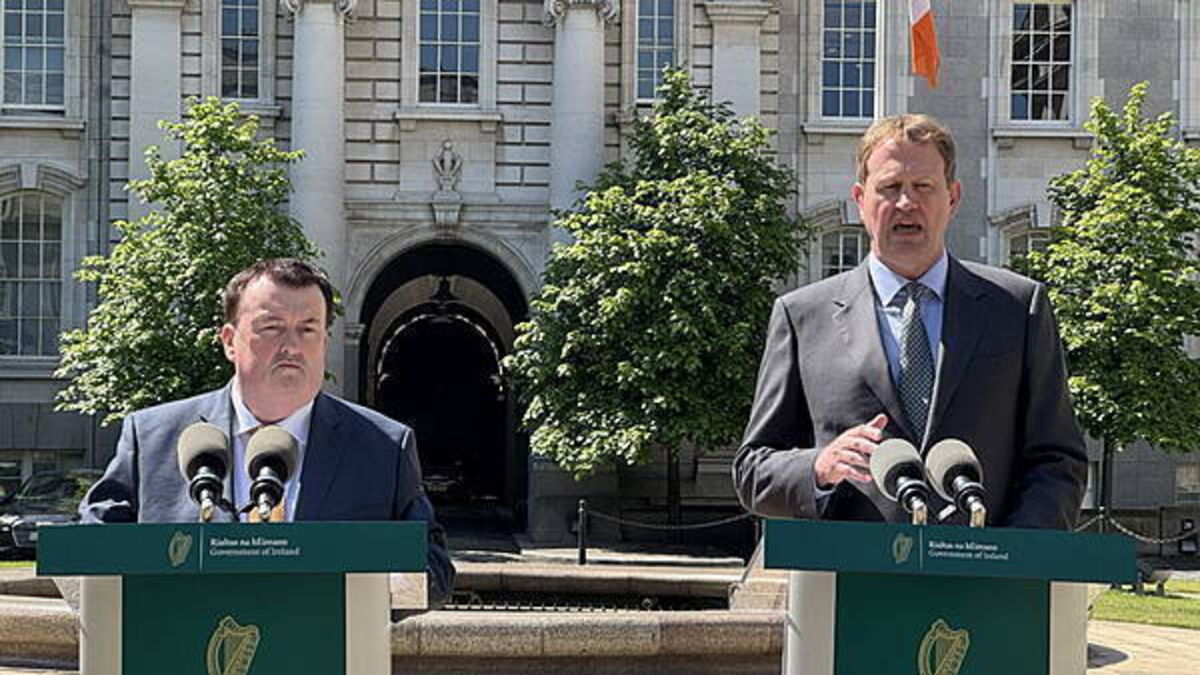
Free state accommodation for Ukrainians living in Ireland will be withdrawn by March 2027 and payments will be available to those who return home, ministers in the Department of Migration have said.
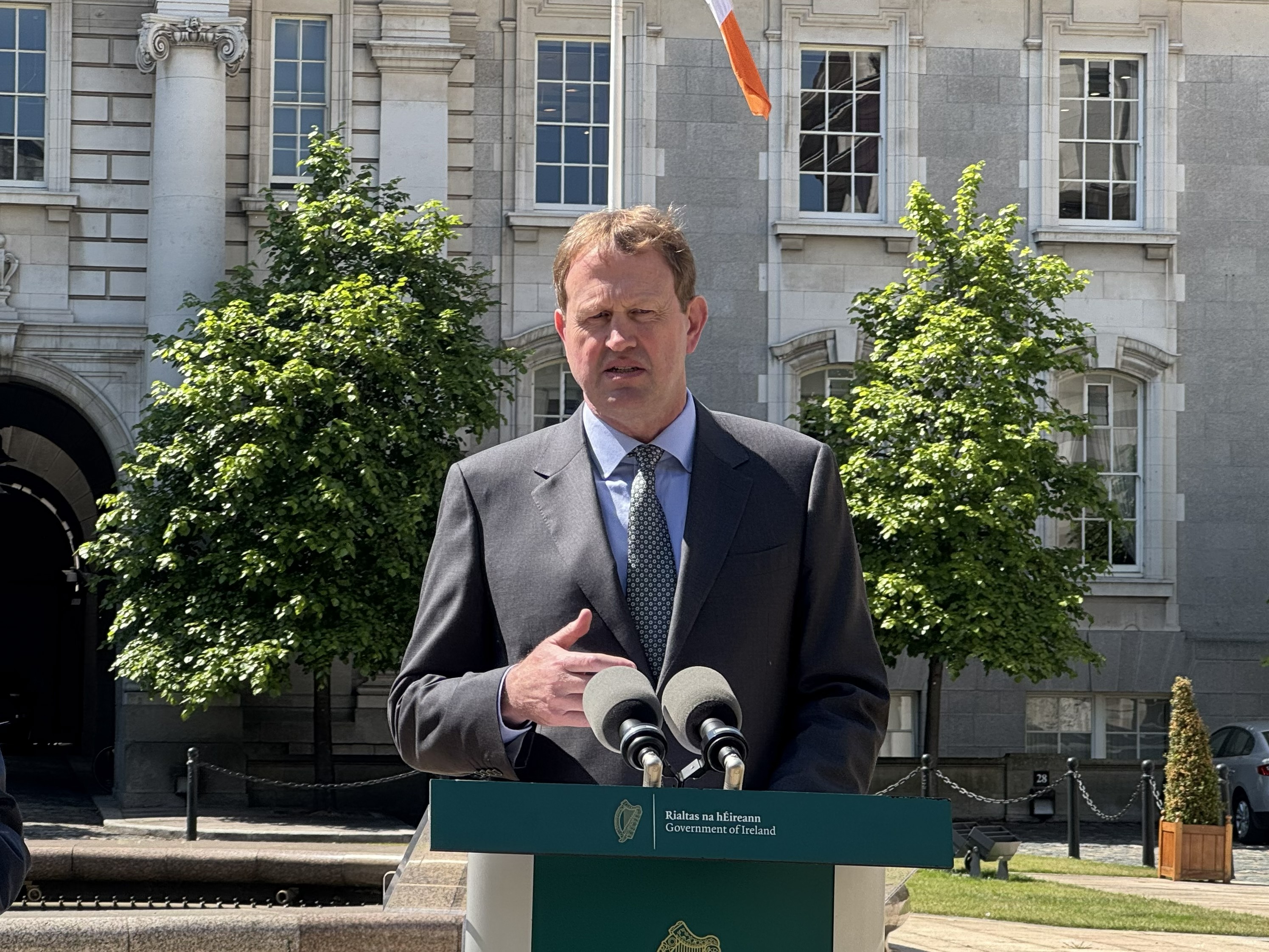
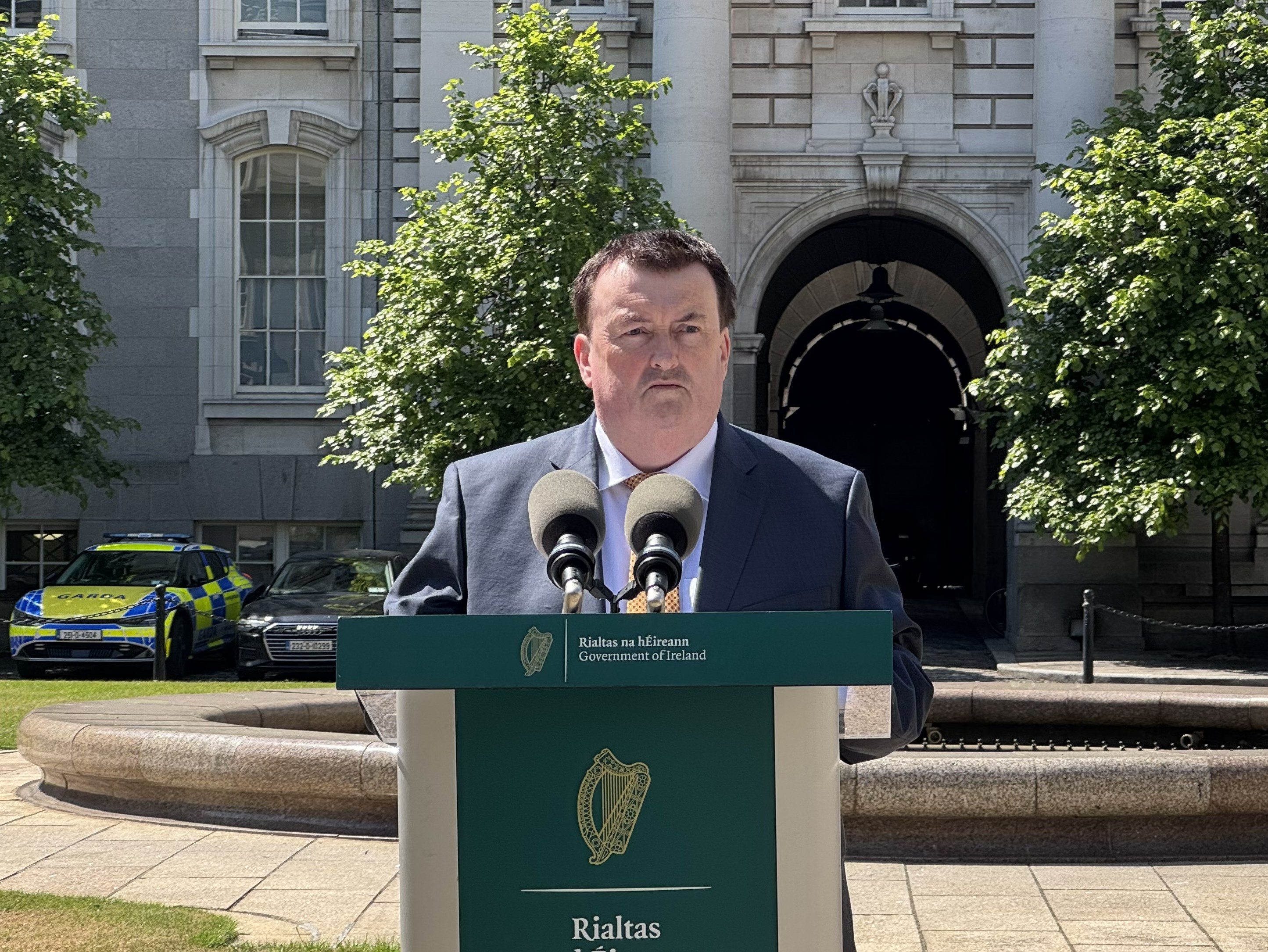
Jim O’Callaghan and Colm Brophy announced on Tuesday the Cabinet had approved a number of measures affecting Ukrainian refugees in Ireland.
They include the phase out of state-contracted commercial accommodation, a reduction in the payments made to households hosting Ukrainians and the development of voluntary return programme.
A scheme that would allow those with temporary protection to apply for permission to remain in Ireland is also being planned.
Refugees from the war in Ukraine, who arrived in Ireland before March 2024, have been entitled to rent-free state accommodation, mostly in hotels.
Its withdrawal will start in August and is set to be completed by March 4th.
There are around 16,000 people in state-provided accommodation and a further 40,000 in subsidised accommodation in private homes.
O’Callaghan said “people with vulnerabilities or particular family circumstances” living in state accommodation will be able to apply to continue their living there.
He said his department had calculated approximately 5,000 people would be eligible to keep that accommodation.
Of the other 11,000, he said “many of them are working, and they are people who will be able to seek accommodation, either accommodation through friends or at the market.
“We think it’s only fair… that people who are working and who are being provided with state, free state accommodation, for what is now over four years, that they should provide for their own accommodation.”
The accommodation recognition payment, which is made to people who have opened up their homes to Ukrainians, will also be reduced to its original level of €400 a month.
It was raised to €800, before being reduced to €600 in September 2025 and will now be cut to €400 from October.
O’Callaghan said he did not believe there would be “significant changes” to the number being housed by those receiving the payment.
“I believe the 42,000 who are within that accommodation will continue there,” he said.
Defending the cuts, O’Callaghan said “we think the provision of accommodation by Ireland was probably the most generous in the European Union. That generosity is going to continue” but he said he does have a “responsibility” to reduce expenditure.
In 2024, he said the state spent €1.2 billion on state-provided accommodation, and his department is aiming to reduce that to €600 million.
A voluntary return and reintegration scheme is also being planned, the ministers announced, and will be similar to the one available to those going through the international protection process.
Those who cannot afford to return to Ukraine would have their travel reimbursed after they return home.
O’Callaghan said this scheme would be “subject to developments at a EU level”, but said he did not think it is likely it would be blocked.
“The important part of voluntary return is that it is voluntary,” he added “we will not be forcing anyone to accept payment to go back to Ukraine”.
For those Ukrainians wishing to stay in Ireland a “Temporary Protection Transition Scheme” will be provided.
The EU Temporary Protection Directive was put in place following the Russian invasion in February 2022. Under it those fleeing the conflict are eligible to work in Ireland and access social supports.
It is currently due to end in March 2027 however Minister of State for Migration Brophy said temporary protection will “probably” continue past March next year.
The transition scheme announced on Tuesday will allow Ukrainians, who currently are in receipt of temporary protection and who fulfill certain criteria, permission to remain in the country for up to two years, which will be renewable.
Brophy said temporary measures cannot be “ongoing year on year” and said Ukrainians who are in Ireland “deserve the right” to “be able to see that there is a pathway for the future for them if they want to remain here in Ireland”.
Around 84,000 Ukrainians are currently living in Ireland, O’Callaghan said, and of those: “There’s going to be a significant majority who want to go back to Ukraine, I think that is clear, people will want to go back to their homeland and help to rebuild their country.”
However, he acknowledged: “There may be some who are in stable employment, or because their children are here, who may wish to apply under this scheme, and they would be given consideration when they apply.”
Brophy said: “Of Ukrainians who came to Europe, 1.2 million have actually returned to Ukraine so far, and that is while the war is still going on.
“So it’s quite clear that within the Ukrainian community, regardless of where they’ve gone to within the European Union, there is a strong desire on their part to go back to Ukraine to be part of that rebuilding of Ukraine, particularly post-war.”